Why Statistical Process Control (SPC) is Essential for Continuous Emissions Reduction Programs

Reducing industrial emissions requires more than just capital investment in technology; it demands process control. Sustainable operation hinges on consistency, precision, and continuous optimization. This critical need is met by Statistical Process Control (SPC). 

SPC provides the statistical framework necessary to monitor, measure, and optimize industrial processes relevant to emissions in real time. By quickly identifying process deviations and quantifying variability, SPC serves a dual purpose: ensuring strict adherence to regulatory limits while simultaneously facilitating the achievement of corporate carbon reduction goals. 

In this article, let’s see how SPC converts emissions data into actionable insight, explores the methodology behind it, and establishes its status as an essential tool for organizations committed to long-term sustainability.

What is Statistical Process Control?

Statistical Process Control (SPC) is a method that uses data analysis to ensure industrial processes operate efficiently, predictably, and within set parameters.

Traditionally used in manufacturing to control product quality, SPC is now applied to emissions monitoring to track pollutant outputs like CO₂, NOₓ, SO₂, and particulate matter.

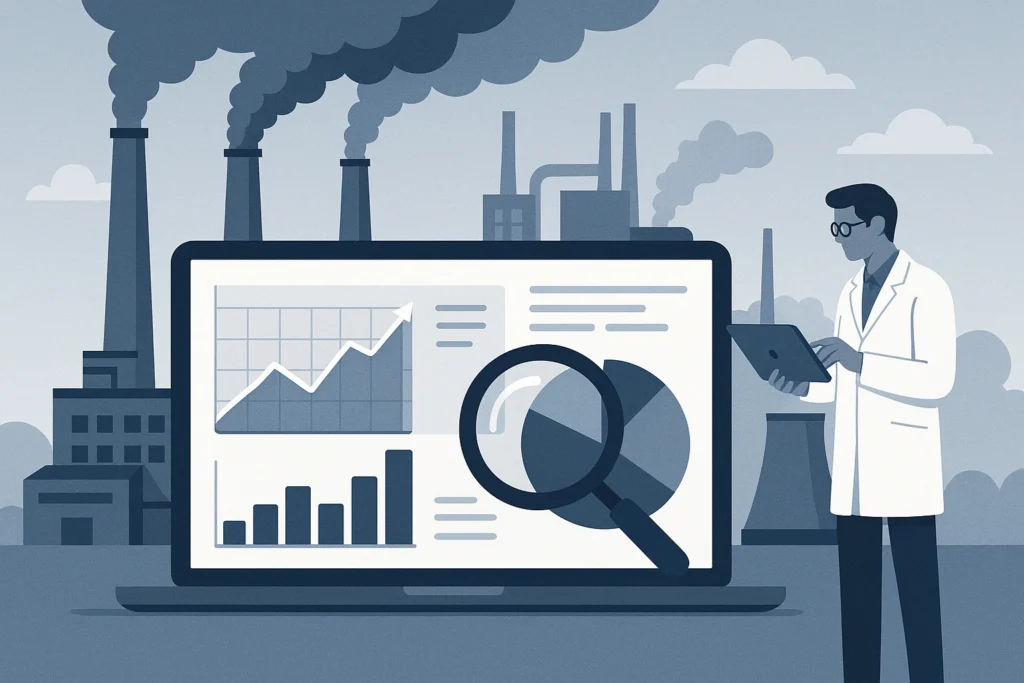
SPC relies on control charts, trend analysis, and variance detection to differentiate between normal process variations and true anomalies. This helps teams pinpoint when emissions deviate from expected behavior before problems escalate.

When integrated with carbon control systems and continuous emissions monitoring software, SPC transforms sustainability goals into measurable, repeatable performance outcomes.

The Role of SPC in Continuous Emissions Reduction

Emissions fluctuate because industrial systems are dynamically influenced by temperature, pressure, load changes, or even raw material differences. Without constant monitoring, small inefficiencies compound into big problems.

SPC tackles this by enabling continuous emissions monitoring (CEM) and early warning detection.

Here’s how:

Real-Time Data Tracking: SPC tools monitor emission levels continuously and feed data into dashboards.

Anomaly Detection: Statistical algorithms flag deviations beyond control limits, alerting operators immediately.

Root Cause Analysis: Teams can identify which process parameter caused the spike such as fuel combustion variation or faulty scrubber performance.

Corrective Action: Operators adjust processes before thresholds are breached, preventing compliance violations.

In short, SPC brings scientific discipline to emissions management, turning monitoring into active control.

Also See: A Look into Different Carbon Accounting Methods

Why SPC Matters for Carbon Reduction Programs

Continuous emissions reduction programs depend on both data accuracy and process predictability. SPC strengthens both.

1. Reduces Variability in Emissions

Variability is the enemy of sustainability. Even when the average emissions level seems acceptable, spikes can lead to environmental and regulatory issues. SPC helps stabilize process performance by minimizing fluctuations, ensuring emissions remain consistently low.

2. Supports Regulatory Compliance

Environmental agencies demand verifiable, continuous data. SPC provides a structured method to demonstrate compliance by maintaining documented, traceable control charts. When audits happen, the data tells a clear story: stability, accountability, and control.

3. Drives Data-Driven Decision Making

With industrial emissions analytics, decision-making moves from reactive to proactive. Instead of waiting for monthly reports, SPC allows for day-to-day optimization. This creates a culture of process optimization for sustainability, where every adjustment is guided by real evidence.

4. Prevents Costly Downtime

Equipment inefficiencies and emission spikes often indicate underlying mechanical or chemical issues. By flagging these early, SPC reduces unplanned maintenance and downtime, cutting operational costs while improving environmental performance.

5. Enhances Stakeholder Trust

Transparent, scientific reporting strengthens investor and public confidence. Stakeholders can see that sustainability isn’t just a claim, it’s being measured and managed statistically.

How SPC Works in Carbon Control Systems

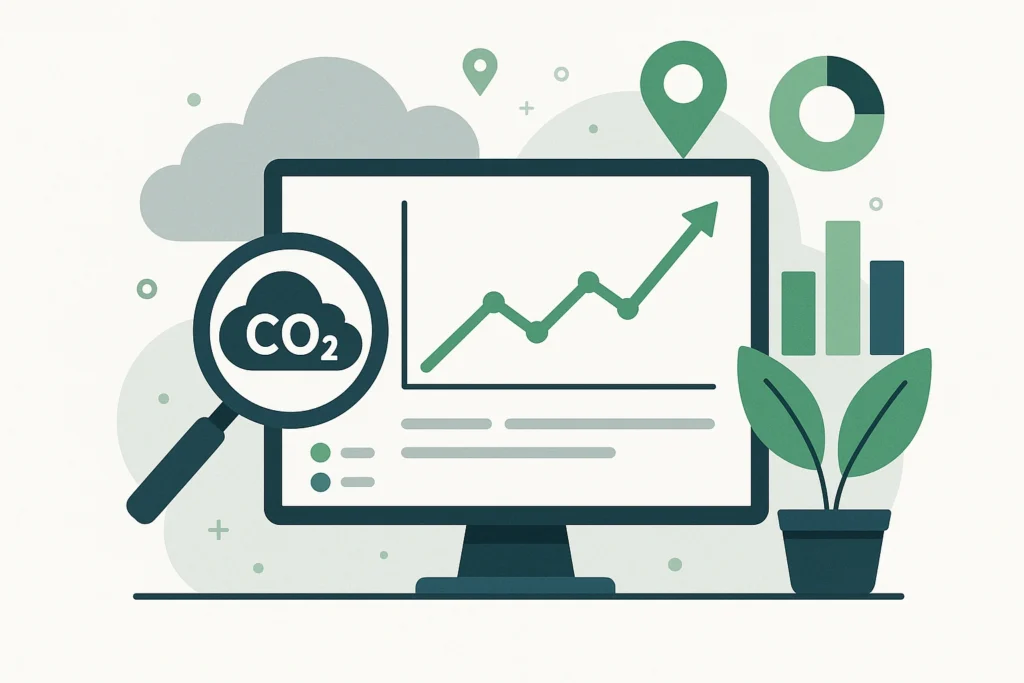
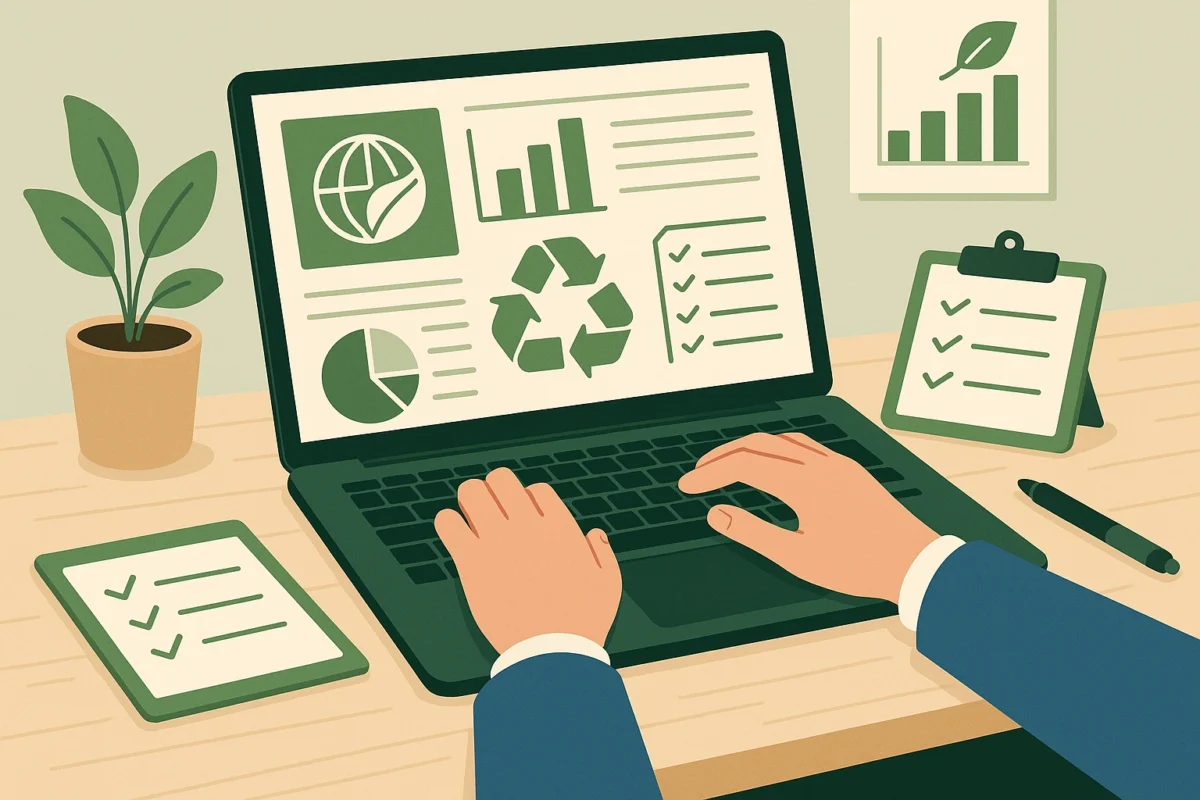
what is SPC carbon reduction

Step 1: Data Collection

Sensors, flow meters, and analyzers continuously gather emissions data like CO₂, methane, NOₓ, particulates, and more. This data is transmitted to centralized carbon control systems.

Step 2: Establishing Control Limits

Historical data is used to calculate upper and lower control limits which is the acceptable range of emission variability under normal operation.

Step 3: Ongoing Monitoring

Control charts such as X-bar, R, or EWMA charts visualize data points over time. If emissions drift toward a limit, SPC alerts operators before they exceed compliance thresholds.

Step 4: Root Cause Identification

When an anomaly appears, SPC software correlates emission spikes with process parameters like temperature, feed rate, or oxygen levels. This reveals the cause quickly.

Step 5: Continuous Improvement

By analyzing recurring patterns, operators refine system settings to reduce variability and enhance process efficiency driving continuous carbon reduction.

This closed-loop system creates predictable performance, the cornerstone of sustainable operations.

Integrating SPC with ESG and Climate Software

Modern ESG frameworks demand granular, verifiable emissions data. Integrating SPC with climate reporting platforms provides:

  • Automated data synchronization for accurate reporting in real time.
  • Standardized metrics that align with GHG Protocol and ISO 14001.
  • Cross-departmental visibility, connecting operations, compliance, and sustainability teams.

This integration ensures that emissions tracking isn’t siloed, it becomes part of the organization’s broader carbon analytics tools and ESG data management ecosystem.

Real-World Applications of SPC in Emissions Control

Power Generation

SPC helps power plants maintain optimal combustion conditions, balancing efficiency with reduced CO₂ output. Variance in oxygen flow or fuel composition can be immediately flagged, preventing excess emissions.

Cement and Steel Manufacturing

These industries are emissions-intensive. SPC ensures that kiln temperatures, material feed, and air ratios remain stable, preventing spikes in CO₂ and particulates.

Chemical Processing

Chemical reactions are sensitive to small fluctuations. SPC tools monitor reaction conditions, ensuring consistent quality and reduced byproduct emissions.

Oil & Gas

SPC-based continuous emissions monitoring systems (CEMS) help refineries control flare emissions, detect leaks, and verify compliance in real time.

Across all industries, the pattern is clear: SPC bridges the gap between process control and sustainability.

The Science Behind SPC and Sustainability

At its core, SPC is grounded in statistical theory, particularly the understanding of process variation.

In emissions management, variation comes from two sources:

Common cause variation – normal fluctuations due to inherent process dynamics.

Special cause variation – abnormal shifts due to equipment failure or human error.

SPC distinguishes between these types, ensuring corrective actions target the right issue. This scientific precision helps reduce waste, conserve energy, and lower emissions which are all critical pillars of sustainability.

By embedding SPC within data-driven emissions reduction systems, companies transform from reactive polluters into proactive climate performers.

Challenges in Implementing SPC for Emissions

While SPC offers significant benefits, implementation requires planning and cultural adaptation. Key challenges include:

Data Overload: Continuous sensors generate massive data streams that need careful filtering and contextualization.

Training Needs: Operators must understand statistical concepts and how to interpret control charts effectively.

Integration Complexity: Merging SPC with legacy systems or outdated CEMS platforms can take time and investment.

False Alarms: Poorly configured control limits can lead to alert fatigue.

These hurdles are manageable with the right tools, training, and leadership commitment. Once integrated, SPC becomes an integral part of operational excellence.

Future of Statistical Process Control in Emissions Monitoring

continuous emissions monitoring

The future of SPC carbon reduction lies in automation and intelligence. Emerging technologies are enhancing how SPC functions in sustainability initiatives:

AI-Enhanced SPC: Machine learning models refine control limits dynamically based on evolving process conditions.

Cloud-Based Dashboards: Centralized visualization of emissions across multiple plants.

IoT Integration: Smart sensors transmit high-frequency data with greater precision.

Predictive Maintenance Links: SPC trends can trigger maintenance before emission surges occur.

Together, these innovations make SPC not just a compliance tool — but a foundation for continuous emissions improvement.

Conclusion

Statistical Process Control is more than a data management method. It’s a strategic enabler of sustainability. By applying scientific rigor to emissions tracking, organizations can predict, control, and continually reduce their carbon output.

In an era where continuous emissions monitoring and transparency define credibility, SPC ensures that every ton of carbon saved is backed by measurable science. Companies that adopt SPC-based process optimization for sustainability today are laying the groundwork for cleaner, more efficient, and resilient operations tomorrow.

FAQ: Statistical Process Control

What makes SPC different from regular emissions monitoring?

SPC adds a statistical layer that identifies trends and process instability early, not just after a violation occurs.

Is SPC suitable for small manufacturing plants?

Yes. Even smaller facilities can use lightweight SPC tools integrated with affordable sensors to monitor and reduce emissions.

How often should SPC data be reviewed?

Continuously. Automated systems can alert operators in real time, but periodic reviews (weekly or monthly) ensure strategic improvements.

Can SPC help achieve net-zero goals?

Indirectly, yes. By reducing variability and maintaining efficient operations, SPC reduces waste and emissions intensity which are key drivers toward net-zero.

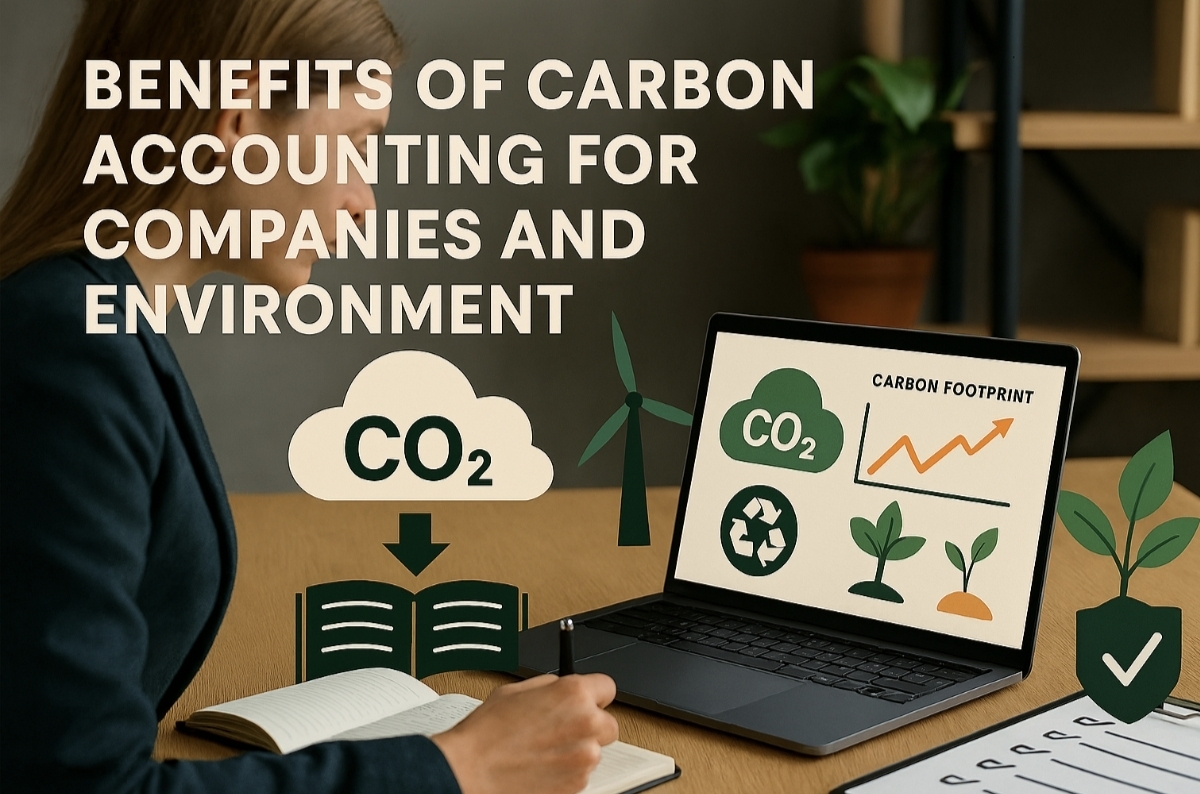
The Benefits of Carbon Accounting for Companies and the Environment

The Benefits of Carbon Accounting for Companies and the Environment

Introduction

In the face of global environmental challenges, businesses are increasingly held accountable for their carbon emissions. With governments, consumers, and investors focusing on sustainability, companies must adopt effective practices to measure and reduce their carbon footprint. Carbon accounting is one of the most essential tools for businesses to track their emissions, identify reduction opportunities, and contribute to global sustainability efforts.

Not only does carbon accounting provide companies with valuable insights into their carbon emissions, but it also offers a range of benefits that go beyond environmental responsibility. From improving operational efficiency to gaining a competitive edge, the advantages of carbon accounting are profound, both for businesses and the environment. This blog will explore the key benefits of carbon accounting, emphasizing its role in helping companies enhance their sustainability efforts while driving long-term success.


What is Carbon Accounting?

Carbon accounting is the process of measuring, tracking, and reporting the greenhouse gas emissions (GHG) generated by a company’s activities. It involves calculating emissions from direct activities (Scope 1), purchased energy (Scope 2), and even from the company’s value chain (Scope 3), such as emissions from suppliers, transportation, and product use.

By accurately measuring emissions and assessing areas of improvement, carbon accounting helps businesses set reduction targets, improve energy efficiency, and optimize sustainability strategies. It is an essential practice for businesses committed to reducing their carbon footprint and addressing climate change.


The Environmental Benefits of Carbon Accounting

1. Reducing Greenhouse Gas Emissions

The most obvious environmental benefit of carbon accounting is its ability to help businesses reduce greenhouse gas emissions. By accurately measuring emissions across all scopes, companies can identify key areas where emissions are high and implement targeted strategies to cut them down. For example, businesses might switch to renewable energy sources, reduce energy consumption, optimize transportation logistics, or implement waste reduction strategies.

Through carbon accounting, companies gain insights that allow them to make more informed decisions that directly contribute to mitigating climate change. By tracking their progress over time, companies can ensure that they are consistently reducing their emissions and working towards carbon neutrality.

2. Improving Resource Efficiency

Carbon accounting is not just about measuring emissions—it also provides valuable data that helps businesses improve resource efficiency. By tracking energy use, waste, water consumption, and supply chain activities, businesses can identify inefficiencies in their operations and make adjustments. For instance, a company might realize that a large portion of its carbon emissions comes from outdated equipment, leading to a decision to switch to energy-efficient alternatives.

Improving resource efficiency not only reduces emissions but also cuts costs, making businesses more competitive while simultaneously helping the environment. The insights gained through carbon accounting can lead to smarter business decisions that benefit both the company’s bottom line and the planet.

3. Supporting Biodiversity and Ecosystem Preservation

One of the often-overlooked benefits of carbon accounting is its role in supporting biodiversity and ecosystem preservation. Greenhouse gases, such as carbon dioxide and methane, contribute to global warming, which in turn leads to habitat destruction, species extinction, and ecosystem degradation. By measuring and reducing their emissions, businesses help mitigate these harmful effects and support the health of ecosystems around the world.

While carbon accounting alone won’t solve environmental issues like deforestation or pollution, it is an essential tool for businesses that want to take responsibility for their environmental impact. By reducing emissions, companies play a part in preserving the natural world for future generations.


The Business Benefits of Carbon Accounting

1. Cost Savings and Operational Efficiency

One of the most compelling reasons businesses are adopting carbon accounting is the cost savings it generates. By tracking energy consumption, transportation emissions, and waste production, businesses can identify areas where they can reduce energy use and minimize waste. For example, a company that implements energy-efficient lighting, automates heating and cooling systems, or adopts smart manufacturing technologies can reduce its utility bills significantly.

Moreover, businesses can identify opportunities to optimize their supply chain logistics, reducing fuel costs and improving transportation efficiency. Ultimately, carbon accounting provides businesses with the insights they need to streamline operations and cut costs—without compromising on quality or performance.

2. Enhancing Corporate Reputation and Customer Loyalty

As consumers and investors become more eco-conscious, businesses that embrace carbon accounting can significantly improve their reputation. By demonstrating a commitment to reducing their carbon footprint, companies show customers, investors, and other stakeholders that they are serious about sustainability.

For consumers, particularly eco-conscious buyers, knowing that a company is actively reducing its carbon emissions can be a deciding factor when choosing which products to purchase. A business that can prove its commitment to sustainability can gain a loyal customer base, attracting environmentally conscious consumers who are willing to support brands with green values.

For investors, companies that demonstrate an understanding of their carbon emissions and have a clear plan to reduce them often represent a safer, long-term investment. By adopting carbon accounting, businesses can align with ESG (Environmental, Social, and Governance) criteria, attracting eco-focused investors looking for sustainable companies to support.

3. Meeting Regulatory Requirements

Around the world, carbon regulations are becoming stricter, with governments imposing mandatory carbon emissions reporting requirements. For businesses, complying with these regulations can be time-consuming and costly if they don’t have the proper systems in place.

Carbon accounting enables businesses to stay ahead of these regulatory changes by providing an organized framework for tracking and reporting emissions. With accurate and consistent emissions data, businesses can ensure they meet the reporting requirements of governments, regulatory bodies, and industry standards. This helps avoid fines and penalties for non-compliance while positioning the business as an environmental leader.

4. Unlocking New Business Opportunities

Adopting carbon accounting can also help businesses open new revenue streams. For example, companies can sell carbon credits or participate in carbon offset programs by reducing their emissions beyond what is required. This not only benefits the environment but also creates additional revenue opportunities for businesses engaged in sustainability projects.

Additionally, businesses that prioritize carbon accounting may be eligible for green grants or incentives from governments and non-governmental organizations (NGOs) focused on sustainability. These incentives can further improve the financial performance of a business while promoting long-term growth.


The Role of Carbon Accounting in Achieving Carbon Neutrality

1. Setting Emission Reduction Targets

Achieving carbon neutrality requires businesses to set emission reduction targets and develop strategies to meet those goals. Carbon accounting provides the data necessary to set realistic targets, whether that’s a 10%, 20%, or 50% reduction in emissions over the next five years. By consistently measuring emissions and assessing progress, businesses can stay on track to meet their carbon neutrality goals.

2. Offsetting Emissions

While reducing emissions is the primary goal of carbon accounting, some companies may need to offset their remaining emissions. This can be done through carbon offset programs such as planting trees, investing in renewable energy projects, or supporting environmental conservation efforts. Carbon accounting helps businesses track their progress in reducing emissions and determine how much carbon they need to offset to become carbon neutral.


Conclusion

The benefits of carbon accounting are extensive, both for businesses and the environment. For companies, carbon accounting provides valuable insights into emissions sources, identifies opportunities for cost savings and operational efficiency, and enhances corporate reputation. Environmentally, carbon accounting enables businesses to track and reduce their carbon emissions, helping mitigate climate change and contribute to global sustainability goals.

By adopting carbon accounting, businesses not only reduce their carbon footprint but also enhance their competitiveness, increase brand loyalty, attract investors, and comply with regulations. Ultimately, carbon accounting is an essential tool for businesses committed to sustainability, environmental responsibility, and long-term success.


Get Started with Carbon Accounting Today

Interested in reducing your company’s carbon footprint and embracing sustainability? Subscribe to our newsletter for more insights into carbon accounting and how to start measuring your emissions. Or download our guide to learn how to implement carbon accounting and meet your sustainability goals today!

Real-Time Carbon Data: Why It Matters for Emissions Monitoring

When it comes to climate action, the single most important factor is speed. The quicker a company can spot its emissions, the faster it can do something about them. Unfortunately, the old ways of tracking carbon like relying on reports that come out every quarter or just once a year simply can’t keep up with today’s rapid pace of business. What companies really need now is real-time carbon data. 

Think of it as a constant, live stream of emissions information that gives instant clarity and allows teams to step in and fix things immediately. Thanks to IoT sensors, live analytics, and smart carbon dashboards, businesses are moving away from just reacting to past data and are instead taking a proactive approach to environmental management. 

The shift is changing how emissions are monitored, and this article will show you why real-time data is the essential tool for setting and hitting sustainability goals that are both accurate and actionable.

The Evolution of Emissions Monitoring

For decades, emissions monitoring has been retrospective. Organizations collected data manually, calculated estimates, and submitted reports months after the actual emissions occurred. This delay created a gap between measurement and action.

Today, that’s changing. Continuous monitoring systems powered by IoT, AI, and edge computing allow businesses to track emissions every second. Instead of waiting for reports, managers can see live carbon footprints, identify spikes instantly, and fix inefficiencies on the spot.

What Is Real-Time Carbon Data?

Real-time carbon data refers to the immediate collection, transmission, and analysis of greenhouse gas (GHG) emissions as they occur. This data is gathered through IoT sensors and connected systems that monitor everything from factory exhaust and fleet fuel consumption to HVAC systems and power usage.

The goal is to turn static, outdated carbon reports into dynamic, actionable insights. With live data streams, companies can:

  • Detect anomalies as they happen.
  • Compare current emissions with targets.
  • Predict potential compliance risks.
  • Automate reporting through digital dashboards.

In essence, real-time carbon monitoring transforms carbon accounting from a spreadsheet exercise into a continuous digital process.

Also See: Understanding Carbon Accounting Standards for Businesses

The Role of IoT Sensors in Live Emissions Tracking

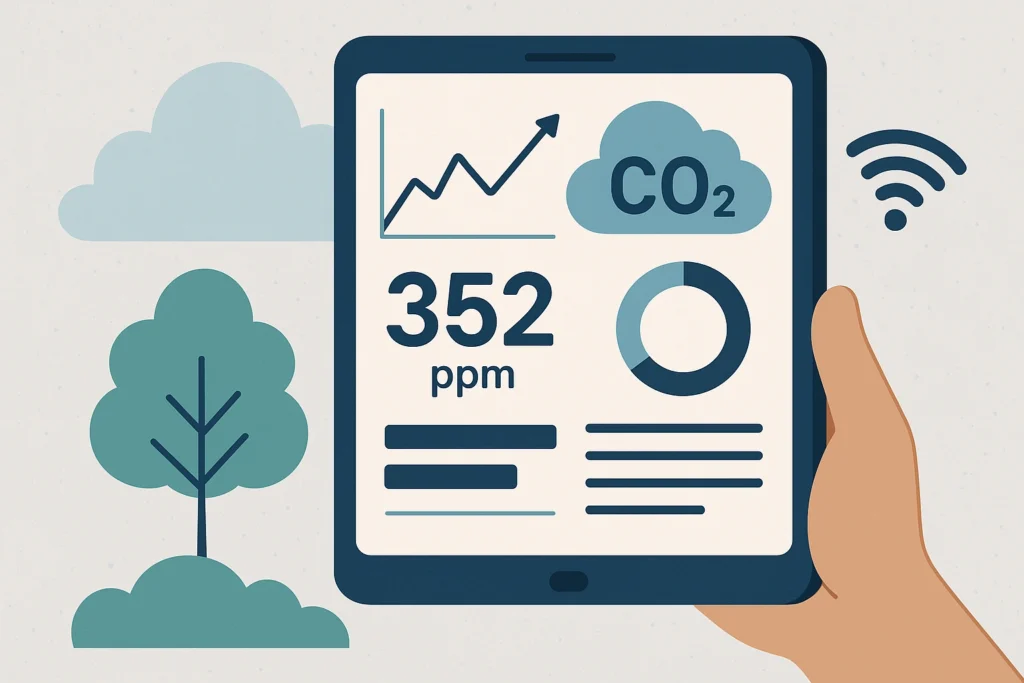
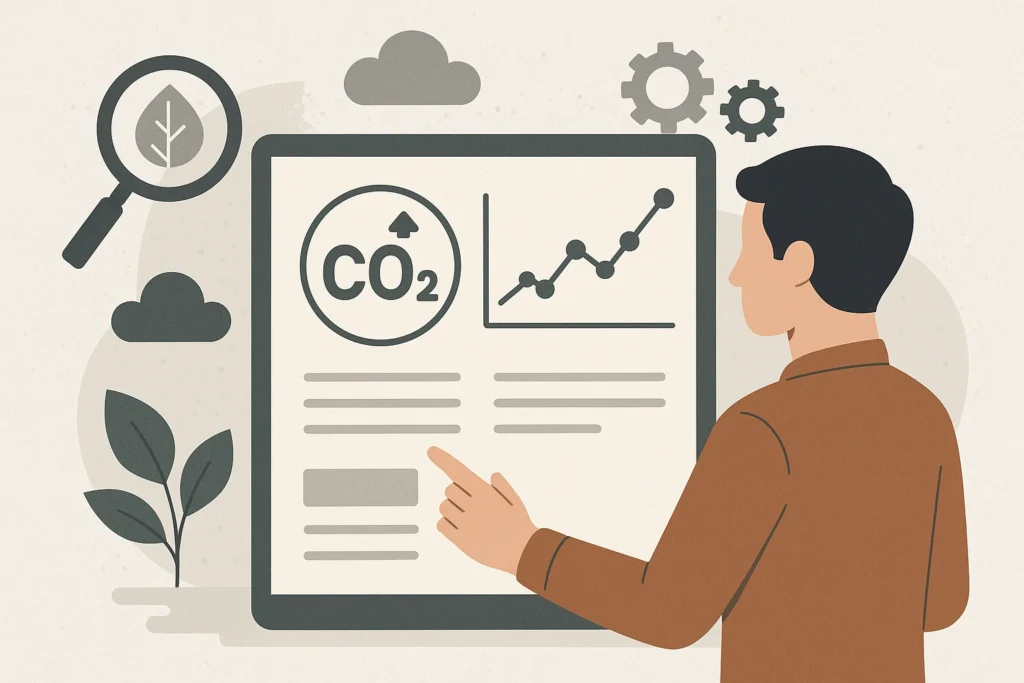
what is live emissions tracking

IoT (Internet of Things) devices are the backbone of real-time carbon monitoring. These sensors are deployed across industrial sites, logistics fleets, and even office spaces to collect live data on energy use and emissions sources.

Here’s how they work:

Data Capture: Sensors track CO₂, methane, and other pollutants continuously.

Transmission: Data is sent to centralized systems using wireless or cloud networks.

Processing: Analytics platforms interpret readings and identify trends.

Actionable Insight: Dashboards alert managers to inefficiencies or noncompliance in real time.

Common Use Cases

Factories: Sensors monitor combustion systems and detect leaks.

Transport: Fleet emissions are tracked per vehicle, per route.

Buildings: Smart HVAC systems adjust energy use dynamically based on occupancy.

With IoT, carbon tracking becomes a living ecosystem rather than a periodic task.

Why Real-Time Carbon Data Matters

1. Speed and Responsiveness

The main advantage of live emissions tracking is immediacy. When data flows continuously, organizations can identify abnormal emission patterns within minutes and not months. This enables rapid response, whether it’s fixing a faulty valve, optimizing fuel use, or adjusting machine performance.

2. Precision and Accuracy

Static reporting relies heavily on estimates and averages. Real-time systems collect exact readings, improving the precision of emissions analytics. This accuracy helps companies make credible carbon claims and pass audits without discrepancies.

3. Compliance and Transparency

With global regulations tightening under frameworks like the EU CSRD and SEC climate disclosures, real-time data ensures continuous compliance. Automated logs also provide transparent evidence for ESG reports, strengthening investor and public trust.

4. Cost Savings

Detecting inefficiencies early reduces operational waste. For instance, identifying a leaky pipeline in real time saves both emissions and money. Over time, real-time systems reduce energy costs and improve asset longevity.

5. Strategic Decision-Making

Executives can use live carbon dashboards to guide decisions instantly. Whether adjusting production volumes or reconfiguring logistics routes, real-time emissions insights provide clarity for sustainable growth strategies.

The Science Behind Real-Time Carbon Data

At its core, real-time carbon monitoring is a fusion of three technologies:

1. IoT Sensor Networks

Distributed sensors continuously measure gas concentrations and energy flow. These devices often include calibration and self-correction capabilities to ensure accuracy in tough environments.

2. Edge Computing

Instead of sending all data to a central cloud, edge computing allows local processing near the source. This reduces lag and enhances responsiveness, critical for time-sensitive actions like leak detection.

3. AI and Predictive Analytics

Machine learning models identify emission patterns, predict future spikes, and suggest interventions. AI turns raw sensor data into intelligent forecasts, helping organizations stay one step ahead.

The Benefits of Continuous Carbon Monitoring

Enhanced Visibility

With live dashboards, companies can see their carbon footprint at a glance—by site, department, or activity.

Faster Compliance Audits

Real-time data eliminates guesswork during audits. Reports can be generated instantly with traceable evidence.

Better Risk Management

Anomalies like sudden CO₂ spikes or methane leaks can be addressed before they escalate into safety or environmental hazards.

Stronger Stakeholder Trust

Investors, customers, and regulators increasingly demand transparency. Continuous tracking demonstrates genuine commitment to climate accountability.

Continuous Improvement

By seeing patterns over time, businesses can set new targets, measure performance daily, and refine sustainability strategies dynamically.

Challenges of Implementing Real-Time Carbon Data Systems

what is  IoT sensors

While the benefits are clear, real-time monitoring also brings challenges:

Data Overload: Massive data streams require powerful storage and analytics tools.

Integration Complexity: Merging IoT data with existing emissions analytics or carbon dashboard software can be technically demanding.

Upfront Costs: Installing high-quality sensors and networking systems involves significant investment.

Cybersecurity Risks: IoT devices must be secured to prevent data tampering or unauthorized access.

Conclusion

Real-time carbon data has redefined how organizations understand and manage their emissions. With IoT sensors providing continuous insights and live carbon dashboards turning data into action, companies can move from reactive compliance to proactive sustainability.

The future of managing our carbon footprint is all about being able to see, respond, and improve in the moment. The organizations that embrace this live monitoring today are the ones who will ultimately win the race to carbon neutrality tomorrow.

FAQ: Real-Time Carbon Data

How is real-time carbon data collected?

Through IoT sensors and connected systems measuring emissions continuously from various sources like machines, vehicles, and facilities.

Can small businesses use real-time carbon dashboards?

Yes. Affordable cloud-based solutions make live emissions tracking accessible to smaller companies without major infrastructure.

Is real-time monitoring required by regulation?

Not always, but it’s increasingly becoming a best practice for compliance with global ESG and GHG reporting frameworks.

What industries benefit most from live emissions tracking?

Manufacturing, logistics, energy, and large-scale commercial operations benefit the most due to complex emission sources.

The Future of Sustainability Audits: Data Science & ESG

Forget the old, painfully slow, spreadsheet-driven approach to sustainability auditing. Today, everything has sped up. Because of intense regulatory mandates, demanding investors, and the undeniable urgency of climate risk, companies are scrambling for real-time, precise, and fully transparent ESG data in sustainability audit software. 

When you factor in complex global expansions and winding supply chains, it’s clear that the old audit handbook just isn’t working anymore. This need for speed and accuracy has brought about a new reality: the powerful combination of data science and ESG auditing. 

We’re now using sophisticated tools from automated carbon tracking to machine-learning-powered risk predictions to validate environmental progress, tighten compliance, and prove our claims. This data-driven approach to sustainability isn’t just a trend and is the absolute future of how we manage climate accountability.

Why Traditional Sustainability Audits Are Struggling

Classic auditing approaches revolve around annual reports and estimated averages. But the modern ESG landscape exposes several limitations:

1. Static Snapshot Data

Most audits reflect a moment in time, not continuous environmental impact.

2. Manual Data Entry Errors

Human input introduces bias, rounding errors, and inaccuracies.

3. Limited Scope 3 Visibility

Up to 90% of corporate emissions come from upstream and downstream partners, which are historically difficult to measure.

4. Slow Turnaround

Companies often wait months for actionable insights which are too late for agile improvements.

These gaps now carry financial and reputational risk. That’s why organizations are adopting sustainability audit software to automate and validate climate data with scientific precision.

The Rise of ESG Data Science

Data science strengthens ESG auditing by applying advanced analytics techniques to environmental datasets. It transforms raw information into auditable insights.

Core elements include:

  • statistical modelling
  • machine learning prediction
  • anomaly detection
  • pattern recognition
  • lifecycle analysis

Together, these capabilities provide auditors with high-resolution environmental intelligence.

Data Science: The Engine of Modern Auditing

what is ESG data science

Data science technologies, including Artificial Intelligence and Machine Learning, are the foundational components of next-generation sustainability audit software. They offer capabilities that are fundamentally impossible to replicate manually, elevating the audit from a historical review to a predictive, real-time process.

1. Automated Data Collection and Normalization

A major hurdle in ESG reporting is the lack of standardized, easily collectible data across a global enterprise and its value chain. Data science-driven ESG sustainability software addresses this by:

Automating Extraction: Using Natural Language Processing (NLP) to read and extract relevant metrics from unstructured documents like energy bills, supplier contracts, and policy documents.

Integration: Connecting directly to Enterprise Resource Planning (ERP) systems, operational databases, and utility providers to collect data in real-time, bypassing manual input and spreadsheets.

Normalization: Applying consistent, up-to-date emissions factors and reporting frameworks (e.g., GHG Protocol, GRI, SASB) to all raw data, ensuring apples-to-apples comparison across different facilities and time periods.

2. Scientific Carbon Accounting and Emissions Audit Tools

The precision required for carbon tracking audits is being met by advanced models. Machine Learning (ML) is particularly effective in addressing the most challenging emissions category: Scope 3 (value chain emissions).

Predictive Modeling: ML algorithms can use a company’s financial data, industry benchmarks, and historical Scope 1 and 2 data to create highly accurate estimations for missing or difficult-to-measure Scope 3 emissions (such as purchased goods and services, and employee travel).

Anomaly Detection: AI-powered systems continuously monitor real-time data from IoT devices and sensors to flag unexpected spikes in energy use or emissions. This real-time auditing capability allows companies to detect operational inefficiencies and potential compliance breaches instantly, shifting from reactive to preventive sustainability management.

Scenario Analysis: Advanced analytics can simulate the impact of various climate transition risks (e.g., a carbon tax, extreme weather events, or a shift to new energy sources) on a company’s emissions trajectory and financial performance, enabling truly scientific ESG audits that look forward, not just backward.

Also See: Environmental Science Meets Carbon Accounting Software: A Perfect Match

3. Improved Audit-Readiness and Assurance

The core function of the audit is trust. Data-driven sustainability platforms are embedding audit trails and assurance workflows directly into the data management process.

Data Lineage: The software maintains a complete, immutable record of every data point, showing its source, the transformation or calculation applied, and the individual responsible for its validation. This transparent audit trail makes the external verification process significantly faster and more reliable.

Governance Workflows: Dedicated features enforce internal controls, such as mandatory approval by data owners before a metric is finalized and reported, ensuring the integrity of the information presented to external auditors.

Scientific ESG Audits: What Makes Them Different?

A scientific ESG audit relies on measurable, verifiable environmental data instead of estimates.

Differentiators include:

  • Empirical Data Validation
  • Measurements from sensors, not surveys.
  • Lifecycle Assessment Models
  • Cradle-to-grave impact analysis.
  • Standardized Carbon Factors
  • Consistent calculations across industries.
  • Predictive Analytics
  • Forecast future emissions based on current activity.

Scientific ESG audits empower companies to:

  • verify ESG claims
  • avoid penalties
  • attract sustainable investment

They show real environmental stewardship, not marketing spin.

The New Role of the Auditor: From Verifier to Strategist

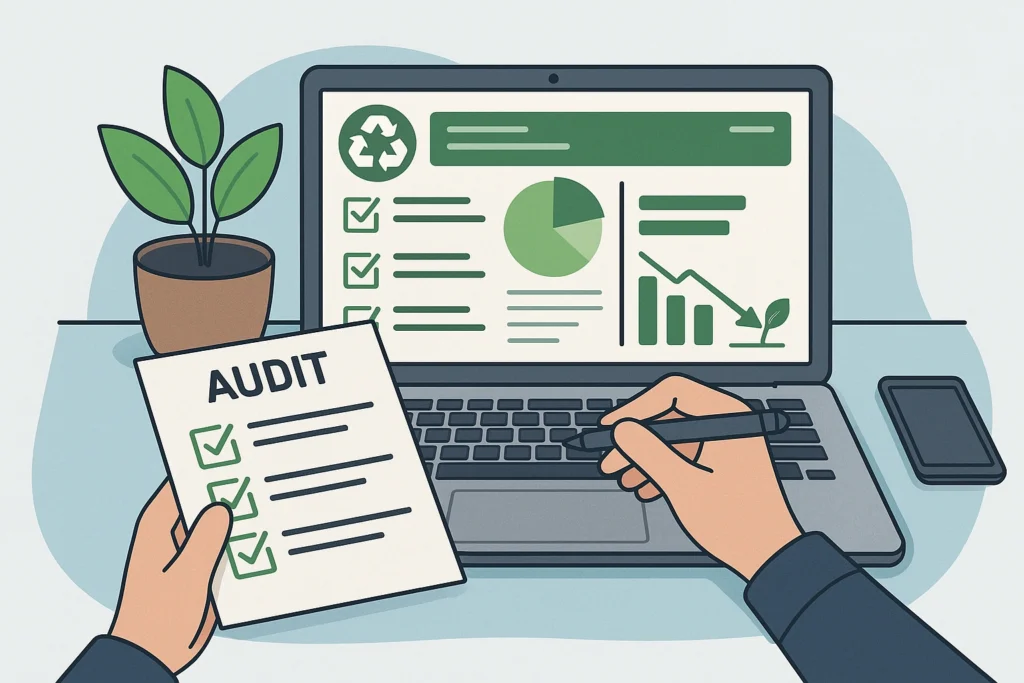
what is carbon audit technology

The integration of data science and ESG sustainability software fundamentally changes the role of the human auditor. They will no longer spend the majority of their time sample-checking spreadsheets. Instead, they will focus on:

A. Validating Models and Methodology

The future auditor will need a deep understanding of the underlying data science models. Their expertise will be in validating the integrity of the algorithms, the selection of emissions factors, and the robustness of the data lineage ensuring the calculations are scientifically sound and aligned with regulatory requirements.

B. Contextual Interpretation and Risk Assessment

With automated tools handling data ingestion and calculation, auditors can dedicate their time to high-value activities: interpreting the meaning of the data, assessing material risks, and evaluating the effectiveness of a company’s governance structure in managing those risks. This includes assessing the social (S) and governance (G) factors, where qualitative data analysis and expert judgment remain critical.

C. Driving Strategic Insight

The real-time, predictive nature of data-driven sustainability allows the auditor to become a key strategic advisor. By identifying trends and vulnerabilities within the data such as a specific supply chain tier responsible for the majority of Scope 3 emissions which can offer actionable recommendations for decarbonization and efficiency improvements, turning the audit from a compliance exercise into a competitive advantage.

Conclusion

The way we handle corporate responsibility is going through a massive change. Merging data science with ESG isn’t just a gradual shift; it’s a total overhaul in how we hold companies accountable. We’re finally moving past slow, manual processes and embracing automated, scientific, and continuous assurance. 

By adopting this kind of carbon audit technology and scientific audit software, companies can stop focusing only on basic compliance. Instead, they can build genuine, data-driven sustainability which is the best way to earn investor confidence, create business resilience, and lay a truly credible foundation for a sustainable future.

FAQ: Sustainability Audit Software

What is a scientific ESG audit?

A scientific ESG audit uses empirical data and analytics to verify environmental performance.

How does data science improve carbon tracking?

It enhances precision using statistical models, sensors, and real-time data ingestion.

Is scientific ESG software required for compliance?

Increasingly yes. Regulatory frameworks are pushing toward proof-based reporting.

A Look into Different Carbon Accounting Methods

A Look into Different Carbon Accounting Methods

As global awareness of climate change increases, businesses are under growing pressure to measure and reduce their carbon emissions. One of the most effective ways for organizations to achieve this is through carbon accounting. By tracking and measuring emissions, businesses can better understand their environmental impact and develop strategies to reduce their carbon footprint.

However, not all carbon accounting methods are the same. Different methods allow businesses to track emissions at varying levels of detail, from simple estimates to comprehensive lifecycle assessments. In this article, we will explore several carbon accounting methods that businesses can use to measure and report their carbon emissions. Understanding these methods is essential for businesses striving to meet sustainability targets and contribute positively to the environment.


What is Carbon Accounting?

Carbon accounting is the process of measuring, managing, and reporting the greenhouse gas (GHG) emissions generated by a business or organization. The goal is to track emissions from various activities, including energy consumption, transportation, waste generation, and product lifecycle, and to identify opportunities for reducing the environmental impact.

There are multiple methods available for carbon accounting, each suited to different business needs. The method a company chooses depends on the complexity of its operations, regulatory requirements, and sustainability goals.


Types of Carbon Accounting Methods

There are several key carbon accounting methods, each with its own approach to calculating emissions. The most common methods include:

1. The Greenhouse Gas (GHG) Protocol

The GHG Protocol is one of the most widely adopted carbon accounting frameworks globally. It provides comprehensive guidelines for businesses to measure and manage greenhouse gas emissions from their operations.

The GHG Protocol divides emissions into three categories, or scopes:

  • Scope 1: Direct emissions from owned or controlled sources, such as fuel combustion in company vehicles or production facilities.
  • Scope 2: Indirect emissions from the generation of purchased electricity consumed by the organization.
  • Scope 3: Other indirect emissions, including emissions from the supply chain, business travel, waste disposal, and the use of sold products.

The GHG Protocol is widely recognized and is the most commonly used method for carbon accounting by businesses of all sizes. It provides companies with a clear framework to calculate their carbon footprint and ensure regulatory compliance.

Benefits of the GHG Protocol:

  • Comprehensive framework for all types of emissions
  • Widely accepted by governments, regulators, and businesses globally
  • Allows for transparency in emissions reporting and measurement

2. Life Cycle Assessment (LCA)

Life Cycle Assessment (LCA) is a more in-depth method of carbon accounting that analyzes the environmental impact of a product or service from cradle to grave. This means that LCA tracks the environmental impact of a product throughout its entire lifecycle, from raw material extraction and manufacturing to usage and disposal.

LCA is particularly useful for businesses in product-centric industries such as manufacturing, construction, and retail, as it helps them understand the carbon emissions associated with each stage of the product’s life.

Benefits of Life Cycle Assessment:

  • Provides a holistic view of a product’s carbon footprint
  • Helps businesses identify high-impact areas in the supply chain and product usage
  • Enables more informed decision-making regarding product design and material choices

3. Carbon Footprint Analysis

Carbon footprint analysis is a method that involves measuring the total amount of greenhouse gases emitted by an organization, product, or service. This method focuses on calculating the carbon footprint of business operations and provides a snapshot of an organization’s emissions.

Businesses can perform a carbon footprint analysis using a variety of tools and software. These tools often use data from energy consumption, transportation, waste production, and other sources to calculate the total emissions produced.

Benefits of Carbon Footprint Analysis:

  • Quick and straightforward method for businesses to calculate emissions
  • Provides businesses with actionable data to reduce energy consumption and improve energy efficiency
  • Ideal for businesses looking for a simple method of measuring their carbon footprint

4. The Carbon Trust Standard

The Carbon Trust Standard is a certification awarded to businesses that have achieved significant reductions in carbon emissions over time. The process involves verifying a company’s carbon footprint and assessing the effectiveness of its carbon reduction efforts.

The Carbon Trust Standard is designed to help businesses measure and manage carbon emissions while also improving energy efficiency and reducing environmental impact. By receiving this certification, businesses demonstrate their commitment to sustainability and environmental responsibility.

Benefits of the Carbon Trust Standard:

  • Offers a third-party certification that proves a business’s commitment to sustainability
  • Focuses on continuous improvement in carbon reduction strategies
  • Enhances corporate reputation by showcasing commitment to environmental leadership

5. ISO 14064 Standard

The ISO 14064 is part of the ISO 14000 family of environmental management standards. ISO 14064 provides detailed guidelines for measuring, quantifying, and reporting greenhouse gas emissions at both the organizational level and the project level.

ISO 14064 has three parts:

  • Part 1: Defines the requirements for quantifying and reporting emissions
  • Part 2: Provides the requirements for quantifying and reporting GHG reductions
  • Part 3: Provides guidance for validation and verification of GHG assertions

Benefits of ISO 14064:

  • Offers a globally recognized standard for carbon accounting
  • Facilitates third-party verification of carbon data
  • Supports businesses in their efforts to comply with international sustainability goals

How to Choose the Right Carbon Accounting Method

1. Understand Your Emissions Sources

The first step in selecting the right carbon accounting method is to identify your emissions sources. Are your emissions primarily from energy consumption (Scope 2), or do you have significant emissions in your supply chain (Scope 3)? Understanding where your carbon emissions come from will help determine the most appropriate accounting method.

2. Consider the Complexity of Your Operations

If your business operates in multiple countries or industries with complex supply chains, Life Cycle Assessment (LCA) or the GHG Protocol may be the best methods. These methods provide a comprehensive view of emissions, helping businesses track the carbon footprint of operations and products at every stage.

3. Assess Your Reporting Needs

For businesses needing to meet regulatory reporting requirements, the GHG Protocol and ISO 14064 are excellent options as they align with many international reporting standards. For companies focused on sustainability leadership, certifications like the Carbon Trust Standard can help validate their emissions reduction efforts and demonstrate their commitment to reducing their carbon footprint.


Conclusion

Choosing the right carbon accounting method is crucial for businesses looking to reduce their carbon emissions and contribute to global sustainability goals. Each method offers different levels of detail and focuses on different aspects of carbon emissions. Whether you opt for the simplicity of a carbon footprint analysis, the in-depth analysis of Life Cycle Assessment (LCA), or the comprehensive approach of the GHG Protocol, the key is to ensure that your business tracks its emissions accurately and develops effective strategies for carbon reduction.

By adopting the right carbon accounting methods, businesses can meet regulatory requirements, improve operational efficiency, and build a reputation as a sustainability leader. In an increasingly eco-conscious world, carbon accounting will continue to play a pivotal role in shaping the future of business.


Get Started with Carbon Accounting Today

Ready to start measuring and reducing your carbon footprint? Subscribe to our newsletter for more insights on carbon accounting methods, or download our guide to choosing the best carbon accounting approach for your business.