Environmental Science Meets Carbon Accounting Software: A Perfect Match

In the push for sustainability, companies have figured out a simple truth: it’s not enough to want to be green; you have to measure everything. Really understanding your carbon impact requires not just good intentions, but hard data and precision. That’s why the latest environmental science software and carbon accounting tools are becoming essential partners. 

The most ambitious organizations today are combining solid scientific principles with cutting-edge ESG software to effectively track, analyze, and shrink their environmental footprint. It means data doesn’t just report on sustainability anymore, it drives it. 

Let’s dive into how the core science of ecosystems, chemistry, and climatology is now built into the digital platforms we use for emissions monitoring, scientific carbon management, and real-time ESG reporting.

Why Environmental Science Matters in ESG Reporting

Environmental science is the study of how natural systems interact, evolve, and respond to human activity. Its methods like data modeling, statistical analysis, and system monitoring are the same foundations now driving carbon accounting software.

Before advanced tools existed, sustainability officers relied on manual reporting and estimates. But the complexity of today’s carbon ecosystem covering direct emissions (Scope 1), energy consumption (Scope 2), and value chain impacts (Scope 3) requires a scientific approach to maintain credibility and accuracy.

By integrating environmental models into carbon tech software, businesses can:

  • Quantify emissions with higher precision
  • Identify environmental risks faster
  • Simulate future climate impact based on business activities
  • Turn ESG data into actionable strategies

This scientific rigor ensures that sustainability reports are verifiable climate impact statements.

Also See: The Importance of Carbon Accounting Certification in 2025

The Science Behind Carbon Accounting Software

Modern carbon accounting innovations operate on scientific models of greenhouse gas behavior, lifecycle emissions, and environmental flow analysis.

Here’s how emissions tracking science works behind the scenes:

1. Environmental Data Collection

Software platforms collect data from multiple sources like energy meters, logistics networks, supplier databases, and industrial sensors. Using principles from environmental monitoring, this data is calibrated to align with recognized emission factors and standardized metrics like IPCC or GHG Protocol.

2. Scientific Conversion Models

Once collected, the data undergoes carbon equivalency conversion which is a process grounded in environmental chemistry and climatology. Each emission type (CO₂, CH₄, N₂O) is assigned a Global Warming Potential (GWP) value to calculate total CO₂e (carbon dioxide equivalent).

3. AI-Powered Environmental Simulation

Advanced carbon tech software integrates AI models to predict emission trajectories and simulate sustainability scenarios. These simulations draw from climate modeling science, projecting how business operations might affect future emission outputs under different variables.

4. Continuous Verification

Environmental science emphasizes reproducibility. Similarly, ESG software tools now include automated auditing features that cross-verify reported data with third-party databases, ensuring transparency and scientific accuracy in carbon data analysis.

This scientific framework ensures that digital sustainability platforms calculate, test, and verify environmental outcomes with academic precision.

How Environmental Science Strengthens ESG Software
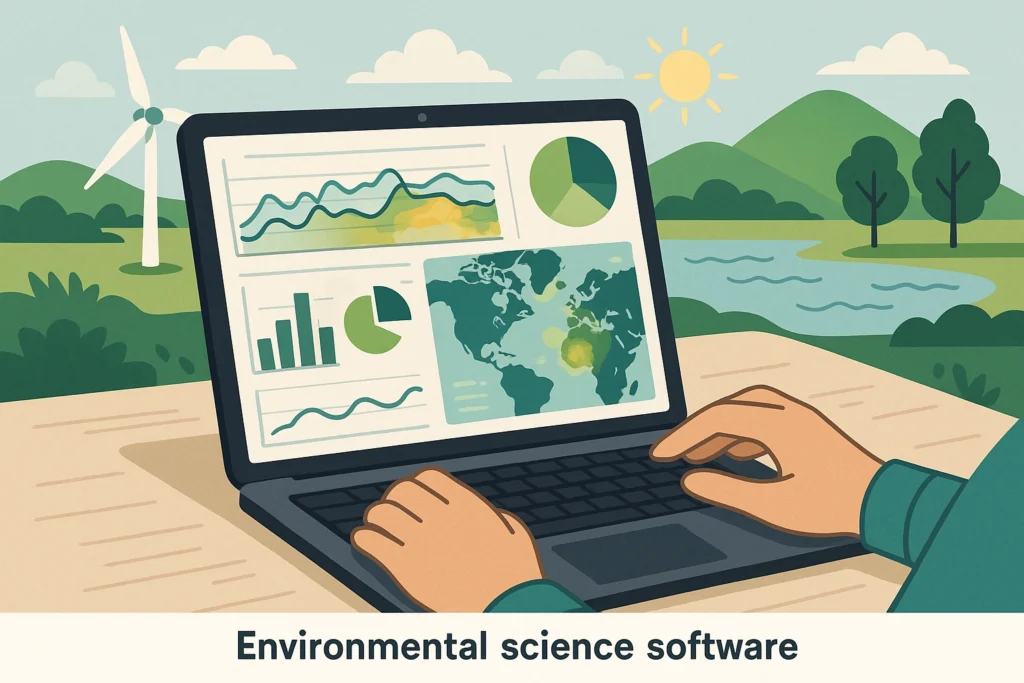
what is ESG reporting science

When scientific ESG solutions are embedded into technology, ESG moves beyond compliance to strategy. Here’s how it helps ESG software:

1. Data Accuracy and Traceability

Science thrives on reproducibility. By applying environmental data models, carbon accounting systems can trace every emission back to its source, ensuring audit-ready accuracy for global standards such as the GHG Protocol, ISO 14064, and TCFD frameworks.

2. Predictive Environmental Modeling

Using environmental simulation algorithms, software can project future emissions under various business scenarios helping companies make proactive decisions rather than reactive disclosures.

3. Integration with Ecosystem Data

Environmental science teaches that no system operates in isolation. Modern platforms now pull data from external environmental databases (climate, land use, biodiversity indices), providing a 360° ESG view that connects business actions to ecological outcomes.

4. Dynamic Climate Metrics

Instead of static yearly reports, scientific carbon management tools offer dynamic dashboards that visualize emissions in real-time translating environmental data into strategic insights for executives and sustainability officers alike.

Carbon Accounting Innovations Transforming the Industry

what is carbon accounting innovations

The fusion of environmental science and technology is giving rise to a new class of carbon accounting innovations that redefine sustainability intelligence such as:

1. AI-Driven Carbon Analytics

Machine learning algorithms can now detect anomalies in emission data, forecast reduction potential, and even identify “carbon hotspots” across supply chains. These AI-powered ESG software tools adapt over time, improving prediction accuracy through pattern recognition.

2. Lifecycle Assessment Automation

Traditionally, lifecycle assessments (LCA) were time-consuming and costly. Environmental science software automates the LCA process, calculating cradle-to-grave impacts from raw material extraction to product disposal with scientific precision.

3. Integrated Scope 3 Modeling

Scope 3 emissions often represent over 70% of a company’s footprint. Through emissions tracking science, modern tools integrate supplier data and apply advanced modeling techniques to fill gaps and estimate indirect emissions accurately.

4. Carbon Benchmarking Algorithms

Using carbon data analysis, ESG tools benchmark a company’s performance against industry averages. By applying scientific normalization models, businesses can see how their emissions compare within sector-specific contexts. These innovations collectively drive smarter sustainability.

The Future of Environmental Science Software

The next decade will see environmental science software evolve from data analytics to decision intelligence. Emerging trends include:

Hybrid Data Models: Merging environmental monitoring data with financial metrics for a unified ESG performance score.

Decentralized Carbon Ledgers: Blockchain-based systems ensuring transparent carbon credit tracking and verification.

Behavioral Carbon Analytics: Measuring the human factors influencing sustainability performance, such as employee behavior and policy compliance.

Automated ESG Reporting Pipelines: AI systems generating regulatory-compliant ESG reports instantly from live data feeds.

Climate Digital Twins: Virtual models simulating entire supply chains to predict carbon impact before real-world execution.

This evolution will redefine ESG accountability where every sustainability claim is scientifically measurable, verifiable, and traceable.

Benefits of Environmental Science Software

The convergence of science and software delivers measurable advantages:

Precision: Accurate, standardized emissions measurement aligned with environmental models.

Transparency: Data-backed reporting that builds trust among investors and regulators.

Efficiency: Automated data collection reduces manual effort and reporting errors.

Strategy Alignment: Predictive modeling connects carbon data to financial performance.

Scalability: Cloud-based architecture supports global data integration for multinational organizations.

With these benefits, scientific carbon management becomes a cornerstone of business transformation rather than a compliance burden.

FAQ: Environmental Science Software

What is environmental science software used for?

It’s used to collect, analyze, and model environmental data such as emissions, energy use, and waste to improve sustainability reporting and compliance.

How does science improve carbon accounting software?

It adds accuracy, validation, and predictive modeling capabilities, ensuring emissions data aligns with real-world environmental behavior.

What industries benefit most from carbon accounting innovations?

Energy, logistics, manufacturing, agriculture, and consumer goods and all industries with complex carbon footprints.

Can ESG software tools help meet net-zero goals?

Yes. They provide measurable pathways by tracking reductions, modeling future outcomes, and verifying results scientifically.

Conclusion

The partnership between environmental science software and carbon accounting innovations marks a turning point in sustainability. Frankly, as demands for transparency grow, the only businesses that will stay competitive are those willing to embrace truly scientific ESG solutions. 

By fusing deep emissions tracking science with robust carbon data analysis and clear ESG reporting, companies can finally move beyond making vague promises and start delivering concrete proof. In this new landscape, being sustainable isn’t enough; you have to do it with scientific precision and show a real, measurable impact.

Cloud Computing’s Hidden Carbon Cost


Introduction

Cloud computing feels invisible. We click, stream, code, and deploy with ease, thinking it’s all just floating “somewhere up there.” But behind every search query, Netflix binge, or AI model is a data center chugging electricity and pumping out carbon emissions. The tech world rarely admits it, but cloud computing comes with a carbon cost.

This blog dives into the environmental footprint of cloud computing. We’ll break down what’s really happening behind your virtual workloads, why it matters more than ever, and what companies can do about it.


How Cloud Computing Generates Carbon Emissions

1. Data Centers Aren’t Weightless

Every cloud service depends on physical infrastructure, data centers filled with servers, cooling units, and backup power systems. These centers consume massive electricity 24/7. A single hyperscale data center can use as much power as a small town.

2. Electricity Mix Determines Carbon Output

Where the data center is located, and how that grid generates power, makes or breaks its sustainability score. A server farm in Norway might run on hydro. One in Virginia? Mostly fossil fuels.

3. The AI Boom Is Making It Worse

AI models like GPT, LLMs, and image generators don’t just consume data, they inhale electricity. Training one large model can emit as much CO₂ as five cars over their entire lifetimes. And inference (running the model repeatedly) adds to the footprint.

4. Always-On Services Waste Energy

Cloud computing supports services that are always on, regardless of actual use. That includes idle SaaS dashboards, backup servers, and countless microservices spinning in the background.

ALSO READ


The Real Numbers: Cloud’s Hidden Carbon Stats

  • 3% of global electricity use now goes to data centers.
  • This could hit 8% by 2030 if growth continues unchecked.
  • Cloud providers consume hundreds of terawatt-hours per year, comparable to entire countries.
  • A single Google search emits around 0.2g of CO₂. Now multiply that by billions per day.

These aren’t fringe stats. They’re central to the sustainability crisis that Big Tech rarely addresses head-on.


Greenwashing vs Genuine Action in Big Tech

✅ What’s Being Claimed:

  • “We’re carbon neutral.”
  • “Our cloud is 100% renewable.”
  • “We offset all emissions.”

Sounds great, right? But…

❌ What’s Often Hidden:

  • Offsets don’t reduce emissions, they shift them.
  • “100% renewable” may include RECs (renewable energy certificates), which don’t guarantee real-time clean power.
  • Many data centers are powered by grids still dominated by gas or coal.

Until cloud providers tie workloads to real-time clean energy, those claims are more marketing than meaningful.


Case Studies: Who’s Doing What?

🌱 Google Cloud

  • Uses carbon-intelligent computing to shift workloads to cleaner times/locations.
  • Reports on real-time carbon usage.
  • Actively invests in clean energy near its data centers.

⚡ Amazon Web Services (AWS)

  • Largest cloud provider, but historically vague on transparency.
  • Promised to be net-zero carbon by 2040.
  • Still operates many centers on fossil-heavy grids.

☁ Microsoft Azure

  • Aims to be carbon negative by 2030.
  • Focused on Scope 3 emissions too (indirect emissions, e.g., user operations).
  • Publishes detailed sustainability reports, but lacks real-time tracking.

So What Can Be Done? (And What Can You Do?)

For Companies Using the Cloud:

  1. Choose Your Region Wisely
    Use cloud regions powered by clean energy (like Oregon or Finland).
  2. Use Serverless and Autoscaling
    Pay for what you use. Reduce idle time and overprovisioning.
  3. Monitor Carbon-Aware APIs
    Tools like Microsoft’s Emissions Impact Dashboard or Cloud Carbon Footprint can track emissions.
  4. Set a Cloud Sustainability Budget
    Just like cost budgeting, track and limit carbon usage per team/project.
  5. Push Vendors for Transparency
    If you’re paying for cloud, ask what powers it. Make sustainability part of vendor contracts.

For Developers and Engineers:

  • Optimize code. Less compute = less power.
  • Batch jobs during clean energy hours (if supported).
  • Use low-carbon models and data formats.
  • Decommission unused resources aggressively.

Why This Matters Now

It’s tempting to think the cloud is someone else’s problem. But here’s the thing: The cloud is us. If you’re deploying apps, running AI, or shipping software, you’re using cloud power. Which means your digital decisions have a physical footprint.

And as digital grows, so does its environmental impact. Ignoring cloud emissions now is like ignoring plastic waste in the 1990s, until it’s too late.


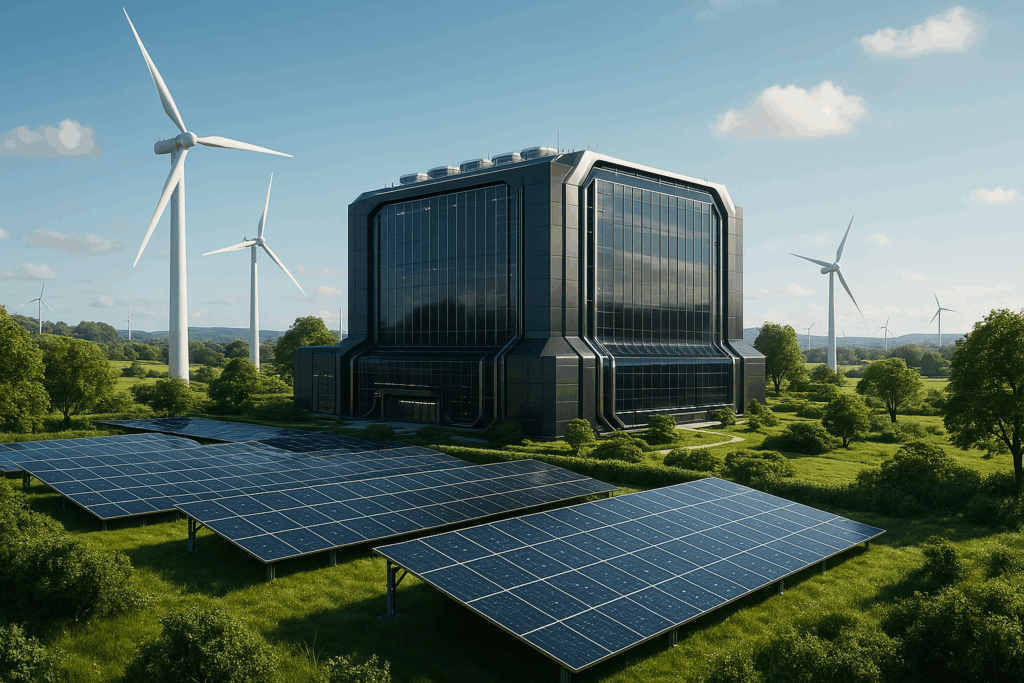
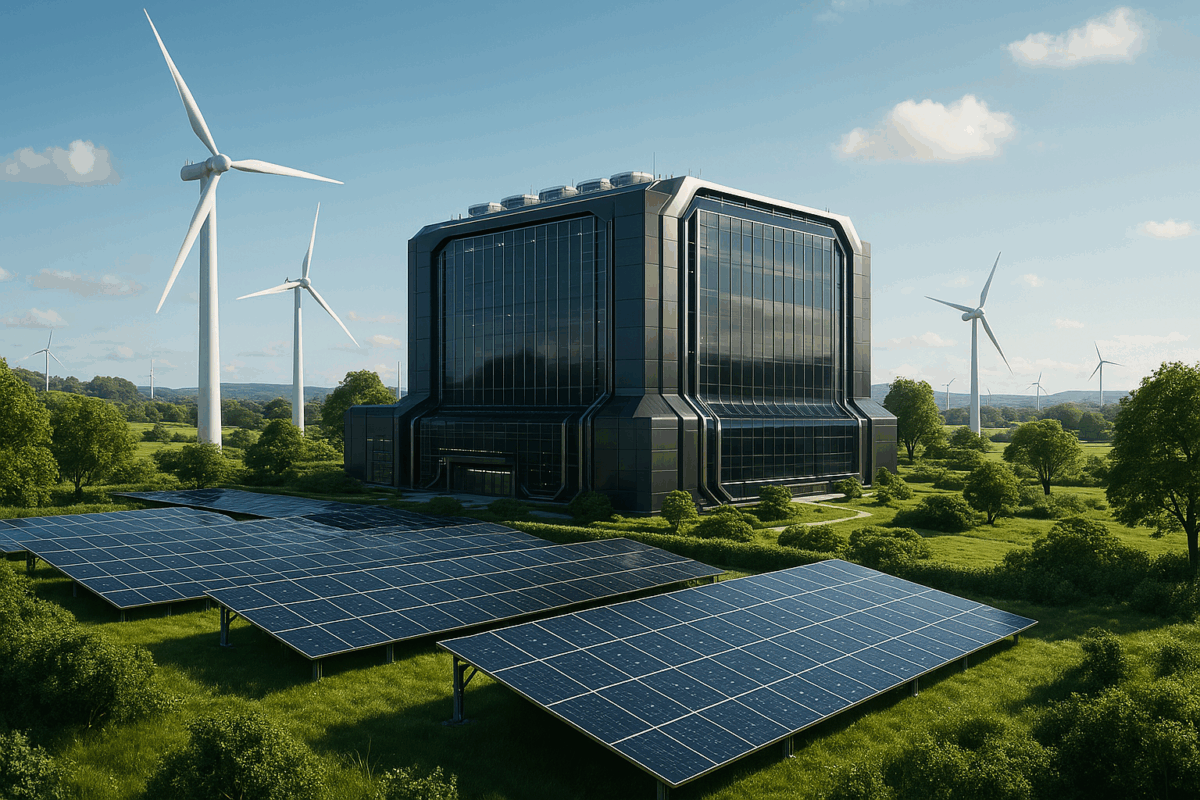
A futuristic data center powered by solar and wind, surrounded by green landscapes – hyper-realistic digital art
A futuristic data center powered by solar and wind.

FAQs

1. How is the cloud different from traditional IT infrastructure in terms of emissions?
Cloud platforms are more efficient at scale, but also concentrate energy use. Depending on the provider and region, emissions can be higher or lower than on-premise systems.

2. What are Scope 3 emissions in cloud computing?
Scope 3 refers to indirect emissions, like how customers use cloud services. They’re often overlooked but make up a significant portion of carbon impact.

3. Can renewable energy completely cancel out cloud emissions?
Only if it’s matched in real-time, not just annually. Otherwise, fossil fuels still fill the gaps.


Call to Action

Ready to rethink your cloud strategy?
Start factoring sustainability into your cloud decisions. Your app’s performance shouldn’t cost the planet.

Product Managers: Master Carbon Accounting with These Proven Engagement Strategies

Let’s face it – trying to launch products in 2025 without thinking about sustainability is like releasing a smartphone without internet connectivity. Just doesn’t make sense anymore, right? As a product manager, you’ve got a unique opportunity to make sustainability more than just a buzzword. Let’s talk about how.

Why Carbon Accounting Matters for Product Managers

Think of carbon accounting like a fitness tracker for your product’s environmental impact. It helps you measure and reduce your carbon footprint – and trust me, this matters more than ever. Here’s why you should care:

  • Regulations are getting stricter by the day
  • Customers actually care about this stuff now
  • Investors are looking for companies that get it right
  • Your competitors are probably already doing it

Making It Work in Your Role

As a PM, you’re perfectly positioned to make sustainability happen. You already bridge the gap between teams – now you’re just adding carbon accounting to the mix. Here’s how to nail it:

Set Real Goals That Matter

Don’t just throw random numbers around. Pick targets that make sense for your product and company. Maybe it’s cutting production emissions by 20% in two years, or switching to recycled materials for packaging. Whatever it is, make it specific and measurable.

Build It Into Your Roadmap

Sustainability isn’t a nice-to-have feature anymore – it needs to be baked into your product from day one. Treat it like any other core requirement. When you’re planning sprints or releases, make carbon impact part of the conversation.

Use the Right Tools

Good news – you don’t have to track everything in spreadsheets anymore. Tools like Watershed and Sphera can help you measure carbon impact in real time. Use them to make data-driven decisions about your product.

Real Success Stories

Tesla: Making Green Profitable

Tesla didn’t just build electric cars – they turned carbon credits into a goldmine. They’ve made billions selling credits to other automakers, proving that sustainability can be a serious revenue stream.

Patagonia: Walking the Talk

Patagonia builds carbon accounting into everything they make. They use recycled materials, track their supply chain impact, and they’re totally transparent about it. Customers love them for it, and their business is booming.

Dealing with Common Headaches

Let’s be real – you’re going to hit some bumps:

  • Getting accurate data can be tricky
  • Old systems might fight new tracking tools
  • Some stakeholders will drag their feet
  • Teams might see it as extra work

The key? Start small, show wins early, and connect sustainability to business value. People get on board when they see results.

What’s Coming Next

The tools are getting better fast:

  • AI is making tracking easier
  • IoT sensors are improving data collection
  • Blockchain is making carbon credits more transparent

Making It Happen

Ready to get started? Here’s your game plan:

  1. Figure out where your product’s biggest carbon impacts are
  2. Pick one or two areas where you can make measurable improvements
  3. Get the right tools in place to track progress
  4. Make sustainability part of your regular product metrics

Quick Q&A

How do I get my team on board? Show them how sustainability connects to what they already care about – efficiency, cost savings, and innovation.

Which metrics should I track first? Start with the basics – energy use in production, materials impact, and shipping emissions. Build from there.

How do I handle stakeholder pushback? Focus on business benefits first – cost savings, regulatory compliance, and market advantage. The environmental wins will follow.

Remember, you don’t have to tackle everything at once. Start where you can make the biggest impact, measure your results, and keep improving. That’s what product management is all about, right?

Ready to make sustainability part of your product strategy? Your future customers (and the planet) will thank you.

Understanding the Purpose of Carbon Accounting for Companies

Making Sense of Carbon Accounting: A No Nonsense Guide

If you’re running a business today, you’ve probably heard a lot about carbon footprints and emissions tracking. Maybe you’re wondering what all the fuss is about, or perhaps you’re feeling pressured by new regulations to get your carbon accounting in order. Either way, you’re in the right place.

What’s Carbon Accounting, Really?

Think of carbon accounting as keeping a budget, but instead of tracking dollars and cents, you’re tracking greenhouse gases. Just like you need to know where your money’s going to run a successful business, understanding your carbon emissions helps you run a more sustainable one.

It boils down to three main things:

  1. Figuring out how much greenhouse gas your company puts into the atmosphere
  2. Understanding where these emissions come from
  3. Keeping track of your progress in reducing them

Why Should You Care?

Let’s be honest – if you’re like most business leaders, you’ve got a million things on your plate. So why add carbon accounting to the mix? Here’s the deal:

First off, regulations are getting stricter. From Europe to the US, governments are asking companies to report their emissions. It’s better to get ahead of this now than scramble to catch up later.

But it’s not just about avoiding trouble with regulators. Many companies find that measuring their carbon footprint leads to discovering inefficiencies they didn’t know about. When you track your emissions, you often find ways to cut energy costs, streamline operations, and run a tighter ship overall.

Plus, let’s face it – customers and investors care about this stuff now. Having solid carbon numbers to back up your sustainability claims can give you a real edge.

Breaking Down the Basics

Types of Emissions

Think of your company’s emissions in three circles:

  • The Inner Circle (Scope 1): These are emissions you directly control – like your company vehicles or factory emissions.
  • The Middle Circle (Scope 2): This is mainly about the energy you buy – like electricity for your buildings.
  • The Outer Circle (Scope 3): Everything else in your value chain – from your suppliers to how customers use your products.

Getting Started

Starting with carbon accounting doesn’t have to be overwhelming. Here’s a practical approach:

  1. Start with what you can easily measure – usually your energy bills and fuel usage.
  2. Use good tools – there are plenty of user-friendly platforms like Watershed or Persefoni that can help.
  3. Build from there – gradually expand to track more complex sources of emissions.

Real Talk: The Challenges You’ll Face

Let’s not sugarcoat it – you’ll run into some hurdles:

  • Getting good data can be tough, especially from suppliers
  • Some things are hard to measure accurately
  • It takes time and resources to do this well

But here’s the thing: perfect is the enemy of good. Start with what you can measure reliably, and improve over time.

Success Stories Worth Learning From

Take Microsoft – they’re not just tracking their current emissions; they’re actually working to cancel out all the carbon they’ve ever emitted. Ambitious? Yes. But they started with the basics and built from there.

Or look at Unilever – they’ve turned carbon tracking into a competitive advantage, using it to make their operations more efficient while building a stronger brand.

Making It Work for Your Business

Practical Tips

  1. Get your leadership team on board – this works best with support from the top
  2. Start small but think big – begin with the emissions you can easily track
  3. Make it part of your regular business reviews – what gets measured gets managed
  4. Share your progress – both internally and externally

Tools That Can Help

Modern carbon accounting doesn’t mean drowning in spreadsheets. Today’s tools can:

  • Automatically pull data from your systems
  • Generate reports for different frameworks and regulations
  • Help you spot trends and opportunities

Looking Ahead

The world of carbon accounting is evolving fast. New technologies like AI are making it easier to track emissions accurately. Regulations are getting more detailed. But the basics we’ve covered here aren’t changing – if anything, they’re becoming more important.

Wrapping It Up

Carbon accounting might seem like just another corporate obligation, but it’s really an opportunity. It’s a chance to:

  • Run your business more efficiently
  • Stay ahead of regulations
  • Build trust with customers and investors
  • Do your part for the planet

The key is to start somewhere and keep improving. You don’t need to have everything figured out right away. Begin with what you can measure, learn as you go, and build from there.

Quick Questions People Often Ask

Q: How much is this going to cost us?
A: It varies, but many companies find that the insights gained actually save money in the long run through improved efficiency.

Q: Do we need special expertise to do this?
A: While having someone who understands carbon accounting helps, many modern tools are designed to be user-friendly. You can start with basic tracking and bring in experts as needed.

Q: What if we can’t get perfect data?
A: Perfect data isn’t the goal when you’re starting out. Begin with what you can measure reliably and improve over time.


Remember, every company that’s good at carbon accounting today started from zero at some point. The important thing is to begin the journey. Where you start matters less than the fact that you start at all.

A Practical Guide to PCAF Carbon Accounting

Making Sense of Financed Emissions

Let’s talk about something that’s becoming increasingly important in the financial world: measuring the carbon impact of our investments and loans. If you work in finance, you’ve probably heard of PCAF (Partnership for Carbon Accounting Financials), but maybe you’re wondering what it really means for your organization and how to put it into practice.

What’s PCAF All About?

Think of PCAF as a universal language for measuring carbon emissions in finance. It started with a group of Dutch banks who realized they needed a consistent way to measure their climate impact. What began as a local initiative has now gone global, with financial institutions worldwide adopting this approach.

The beauty of PCAF lies in its practicality. Whether you’re dealing with corporate loans, mortgages, or project financing, PCAF provides clear guidelines on how to measure your carbon footprint. It’s like having a recipe book for carbon accounting – you know exactly what ingredients you need and how to put them together.

Why Should You Care?

Let’s be honest: implementing new systems isn’t anyone’s idea of fun. But here’s why PCAF matters:

First, regulators are getting serious about climate reporting. Having a solid carbon accounting system isn’t just nice to have anymore – it’s becoming a necessity. Plus, investors are asking tougher questions about climate impact. Being able to give clear, standardized answers can set you apart from the competition.

But beyond compliance and competition, there’s a bigger picture. The financial sector has enormous influence over where money flows in the economy. By understanding and measuring carbon impact, we can make better decisions about where to invest and lend, ultimately helping to address climate change.

Getting Started: A Real World Approach

1. Do Your Homework

Before diving in, spend some time getting familiar with PCAF’s guidelines. Their website has excellent resources, and while some parts might seem technical at first, they’re quite practical once you start working with them.

2. Gather Your Data

This is often the trickiest part. You’ll need to collect information about the emissions connected to your investments and loans. Some tips from experience:

  • Start with what you have. Perfect data doesn’t exist, and PCAF recognizes this.
  • Work with your clients. Many are already tracking their emissions and are happy to share.
  • Use industry averages when you need to fill gaps. PCAF provides guidance on this.

3. Crunch the Numbers

The basic principle is pretty straightforward: if you finance 30% of a company, you’re responsible for 30% of its emissions. Of course, real life is more complex, but that’s the general idea.

Modern tools like Persefoni or Watershed can help automate these calculations. They’re not perfect, but they can save you from spreadsheet hell.

Common Headaches (and How to Deal with Them)

The Data Challenge

You’ll almost certainly run into data gaps. Some companies you work with might not track their emissions, or their data might be incomplete. Don’t let perfect be the enemy of good. Start with what you have and improve over time.

System Integration

Your existing systems probably weren’t designed with carbon accounting in mind. Look for ways to integrate PCAF gradually. Many organizations start with a pilot project in one department before rolling it out more widely.

Making It Work Long Term

Success with PCAF isn’t just about the technical implementation. Here’s what really matters:

  • Get your team on board. Make sure everyone understands why this matters and how it works.
  • Start simple and improve over time. You don’t need to solve everything at once.
  • Keep talking to your clients and other stakeholders. Their input and feedback are invaluable.

Looking Ahead

Carbon accounting in finance is still evolving. New technologies like AI and blockchain are making it easier to track and verify emissions data. But the basic principles of PCAF – transparency, consistency, and accountability – will remain important.

Wrapping Up

Starting your PCAF journey might seem daunting, but remember: every financial institution that’s successfully implemented it started from scratch too. Take it step by step, learn from others’ experiences, and keep improving over time.

Got questions? The PCAF community is surprisingly collaborative. Don’t hesitate to reach out to other institutions or PCAF itself for guidance. We’re all figuring this out together.

Quick Q&A

Q: Is PCAF really necessary for smaller institutions?
A: While larger institutions might face more immediate pressure, having a systematic approach to carbon accounting is becoming important for everyone in finance. Starting early gives you time to get it right.

Q: What’s the first practical step we should take?
A: Start by mapping out what data you already have. Understanding your starting point makes it much easier to plan your implementation.

Q: How long does implementation usually take?
A: It varies widely, but most institutions take 6-12 months for their initial implementation. Remember, it’s okay to start small and expand over time.


Remember, implementing PCAF isn’t just about checking a box for compliance. It’s about being part of the solution to one of our biggest global challenges. Take that first step, future you will be glad you did.

What Is Carbon Credit Accounting?

Carbon credit accounting has become an important tool in the global fight against climate change. As concerns about environmental sustainability and the impact of human activities on the planet evolve, businesses and individuals are increasingly turning to carbon credits. Both individuals and businesses use these credits to measure and reduce their carbon footprint. It’s a small but impactful step towards a more sustainable future.

Carbon credit accounting is a systematic and evident process. It involves measuring, reporting, and verifying the greenhouse gas (GHG) emissions reduction or removal activities. That is conducted by individuals, businesses, or projects. Carbon credit accounting aims to quantify the environmental impact of these activities in terms of carbon credits. It provides a standardized framework for the trade and management of these credits within the global carbon market. With that said, this article aims to explore the details of carbon credit accounting. We will explore what carbon credits are, how they work, their global accounting practices, and why businesses should consider investing in this eco-friendly initiative. Read on to know more!

Read More about What Is Carbon Credit Accounting?

Where Do Most of a Software Focused Companies Carbon Emissions Typically Come From?

Ongoing carbon gas environment emission is expanding with time because of climate crises. In that case, businesses of all kinds and sizes across many sectors play a vital role in driving sustainability. They focus on escalating the climate crises. A basic and critical part of this entire scenario involves the reduction and understanding of greenhouse gas emissions. Nearly 70% of business and software focused companies experience carbon emissions. But where do most of a software-focused company’s carbon emissions come from? So, finding the reason for most of a software-focused company’s carbon emissions is important.

In that regard, we are here to shed light on the world in which many software focused companies experience carbon emissions. Let’s discuss the type of carbon emission and then break it down into actionable and manageable insights to find out their root cause. Without a further ado, take a deep dive into the primary carbon emission categories, which combine and could be a sign of the company’s carbon footprint.

Read More about Where Do Most of a Software Focused Companies Carbon Emissions Typically Come From?

The Adoption of Carbon Accounting Software in the Aviation Industry and its impact on the Cost of Air Travel

The aviation industry is a crucial mode of global travel and is known for its safety. The odds of a person experiencing a fatal car accident are about 1 in 101, while for a person to be in a deadly plane crash, they’d have to fly every day for 10,000 years. Recently, the aviation industry has come under criticism for its significant contribution to generating carbon emissions.

Organizations worldwide are taking steps to combat climate change. One approach to achieving this involves making air travel more environmental friendly. To contribute to this environmental challenge, the aviation industry has begun implementing specialized software tools that measure and regulate the carbon emissions produced by aircraft.

Read More about The Adoption of Carbon Accounting Software in the Aviation Industry and its impact on the Cost of Air Travel

Exploring Internal Carbon Accounting Standards

Commonly known as greenhouse gas accounting, carbon accounting is a process of quantifying the production of greenhouse gases. It includes direct as well as indirect measurement through business activities. This technique is commonly used by management teams and analysts to determine the carbon emissions of an organization.

Many people think that carbon accounting and GHG accounting are similar, but there is a slight difference. To be precise, carbon accounting is focused on carbon dioxide emissions, but GHG accounting focuses on all greenhouse gases.

Read More about Exploring Internal Carbon Accounting Standards