How Carbon Accounting Helps Businesses Meet Sustainibility

Introduction
The global shift toward sustainability has never been more urgent. As climate change accelerates and environmental concerns grow, businesses are increasingly held accountable for their carbon emissions and overall environmental impact. To meet sustainability goals and comply with stricter regulations, companies are turning to carbon accounting as an essential tool for tracking and reducing their carbon footprint.
Carbon accounting is the process of measuring, tracking, and managing the greenhouse gas emissions (GHG) generated by business activities. From energy use to transportation to supply chains, carbon emissions come from a variety of sources. Effective carbon accounting allows businesses to identify these sources, set reduction targets, and implement strategies that minimize their environmental footprint.
In this blog, we will explore how carbon accounting helps businesses reduce their environmental impact, the key benefits it provides, and how companies can use it to drive sustainability and cost savings while contributing to global climate goals.
What is Carbon Accounting?
Carbon accounting is the practice of measuring and tracking the carbon emissions produced by a business’s activities. This involves calculating the total amount of greenhouse gases (GHGs) emitted from direct operations, energy consumption, transportation, waste management, and other sources across the company’s value chain.
The emissions are categorized into three scopes:
- Scope 1 (Direct Emissions): These are emissions from sources that are owned or controlled by the company, such as fuel combustion in vehicles, heating systems, and manufacturing processes.
- Scope 2 (Indirect Emissions): These are emissions from the generation of purchased electricity, steam, heating, and cooling consumed by the business.
- Scope 3 (Other Indirect Emissions): These emissions occur as a result of the company’s activities but are generated from sources not owned or controlled by the company. This includes emissions from the supply chain, transportation, waste disposal, and employee travel.
By measuring carbon emissions across all three scopes, businesses can understand their total carbon footprint and develop effective strategies for reducing emissions at each stage of their operations.
How Carbon Accounting Helps Businesses Reduce Their Environmental Impact
1. Identifying Key Sources of Carbon Emissions
The first step in carbon accounting is identifying where carbon emissions are coming from. This is essential because carbon emissions can stem from a variety of business activities, including:
- Energy consumption in buildings and facilities
- Transportation of goods and employees
- Raw material sourcing and production processes
- Waste disposal and recycling operations
By understanding which aspects of their operations generate the most emissions, businesses can prioritize areas where carbon reduction strategies will be most effective. For example, a company may discover that Scope 2 emissions from purchased electricity are a significant contributor to its carbon footprint. This would prompt the business to explore renewable energy sources or improve energy efficiency.
Through carbon accounting, businesses gain critical visibility into their environmental impact, enabling them to take targeted actions to reduce emissions and mitigate their environmental footprint.
2. Setting Carbon Reduction Targets
Once a company has measured its carbon emissions and identified the key sources, the next step is to set carbon reduction targets. These targets are the foundation for any effective carbon reduction strategy. Setting specific, measurable, and time-bound targets helps businesses stay focused and track progress toward net-zero emissions.
For example, a business might set a target to reduce Scope 1 emissions by 15% over the next five years by investing in fuel-efficient vehicles and upgrading machinery. Or, they might aim to achieve 100% renewable energy for Scope 2 emissions within the next decade.
Carbon accounting allows businesses to monitor their progress in real-time, making it easier to adjust strategies if they are not meeting their reduction targets. This dynamic approach to carbon footprint management ensures that businesses stay on track and take actionable steps toward carbon neutrality.
3. Optimizing Energy Efficiency
A significant portion of a company’s carbon footprint typically comes from energy consumption. Whether it’s running machinery, heating or cooling facilities, or powering office equipment, energy use can account for a large share of Scope 1 and Scope 2 emissions.
Carbon accounting provides businesses with valuable insights into how much energy they are using and where inefficiencies exist. For example, a company might discover that its heating system is consuming excessive amounts of energy due to outdated equipment or poor insulation. By implementing energy-efficient technologies, such as upgrading to LED lighting, smart thermostats, or energy-efficient HVAC systems, the business can reduce its carbon emissions while cutting utility costs.
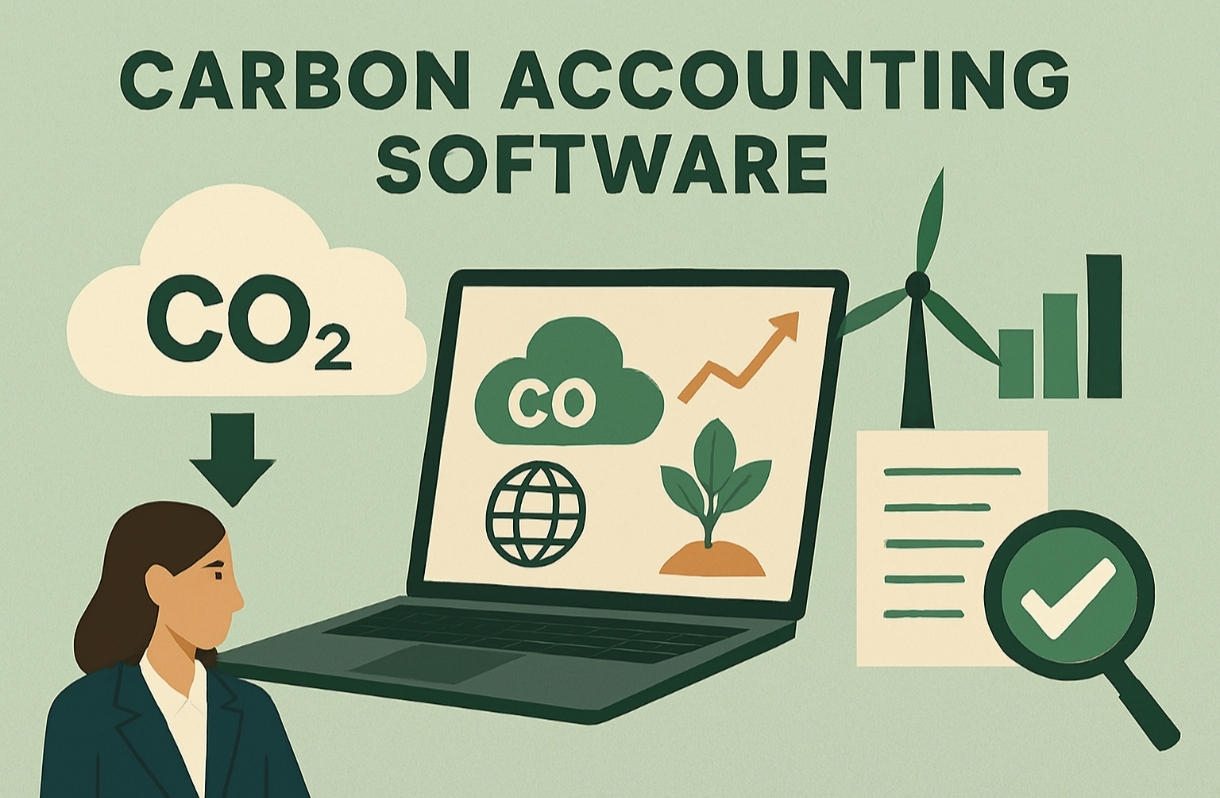
The carbon accounting software often includes energy management tools that help businesses identify wasted energy and suggest improvements. Reducing energy consumption not only lowers carbon emissions but also boosts the company’s overall operational efficiency and profitability.
4. Transitioning to Renewable Energy
Scope 2 emissions from purchased electricity can be significantly reduced by transitioning to renewable energy sources, such as solar, wind, or hydropower. Many businesses are already investing in renewable energy as a way to reduce their carbon footprint and contribute to global climate action.
Carbon accounting helps businesses track their progress toward using renewable energy by measuring the emissions from purchased electricity. A company may choose to switch to green energy plans offered by utility providers or even invest in on-site solar panels or wind turbines.
The transition to renewable energy not only helps reduce carbon emissions but also aligns businesses with sustainability trends and meets consumer demand for eco-friendly products and services.
5. Optimizing Supply Chains for Sustainability
Many businesses struggle to manage Scope 3 emissions, which come from the supply chain. However, carbon accounting is essential for optimizing supply chain sustainability. By measuring emissions from suppliers, logistics, and product use, businesses can identify opportunities to reduce emissions across the entire value chain.
Carbon accounting tools allow businesses to work with suppliers to encourage sustainable practices, such as:
- Sourcing sustainable materials that have a lower carbon footprint
- Reducing emissions from transportation by optimizing delivery routes or shifting to electric vehicles
- Reducing waste and promoting recycling in the supply chain
Optimizing the supply chain not only helps reduce carbon emissions but also enhances the overall sustainability of the business and its partners. Carbon accounting ensures that businesses can effectively monitor and manage emissions from their entire value chain.
6. Carbon Offsetting: Neutralizing Residual Emissions
Despite best efforts to reduce emissions, some businesses may still find it challenging to completely eliminate all of their carbon emissions. This is where carbon offsetting comes into play. By investing in carbon offset projects, businesses can neutralize their remaining emissions and achieve carbon neutrality.
Carbon offset projects include initiatives like reforestation, renewable energy projects, and methane capture. These projects either remove carbon dioxide from the atmosphere or prevent emissions from occurring in the first place. For example, a company could invest in a reforestation project that absorbs CO2 or support a wind energy project that prevents emissions from coal-fired power plants.
While carbon offsetting should not be a substitute for reducing emissions, it can play a crucial role in achieving net-zero emissions and ensuring that a company neutralizes its residual impact on the environment.
The Benefits of Carbon Accounting for Businesses
1. Cost Savings with carbon accounting
While the upfront cost of implementing carbon reduction strategies might seem daunting, many businesses find that carbon accounting leads to long-term cost savings. By identifying inefficiencies in energy use, waste management, and transportation, businesses can reduce their operating costs significantly.
Investing in energy-efficient technologies and transitioning to renewable energy often results in lower utility bills, while reducing waste and optimizing logistics can save on transportation costs. These savings can offset the costs of implementing sustainability initiatives and improve the company’s bottom line.
2. Improved Reputation and Brand Loyalty
As consumers increasingly demand sustainable products and services, carbon accounting allows businesses to showcase their commitment to the environment. By transparently reporting on carbon emissions and demonstrating efforts to reduce them, businesses can build stronger relationships with eco-conscious consumers and improve brand loyalty.
Businesses that prioritize sustainability and carbon reduction gain a competitive advantage in the marketplace and differentiate themselves from competitors who do not prioritize the environment.
3. Attracting Investment and Securing Funding
Investors are increasingly looking for companies that prioritize environmental, social, and governance (ESG) factors. Carbon accounting allows businesses to track their progress toward net-zero emissions and demonstrate their commitment to sustainability.
By adopting carbon accounting practices and reporting emissions reductions, businesses can attract green investments, secure sustainability funding, and meet the expectations of investors who prioritize climate action.
Conclusion
Carbon accounting is a critical tool for businesses looking to reduce their environmental impact and contribute to global sustainability efforts. By measuring, tracking, and managing carbon emissions, businesses can identify key areas for improvement, set actionable carbon reduction targets, and implement strategies that lower emissions, save costs, and improve operational efficiency.
Whether through energy efficiency, renewable energy, supply chain sustainability, or carbon offsetting, carbon accounting provides businesses with the tools and data needed to make informed decisions and contribute to a sustainable future. As regulatory pressures and consumer demand for eco-friendly practices increase, carbon accounting will continue to be a vital strategy for businesses aiming to reduce their carbon footprint and achieve net-zero emissions.
Get Started with Carbon Accounting Today
Ready to reduce your business’s carbon footprint and take action on sustainability? Subscribe to our newsletter for more insights on carbon accounting, or download our guide to help you start measuring and reducing your emissions today!